Energy-Efficient HVAC Solutions for High-Altitude Homes
Living at high altitudes presents unique challenges for homeowners, particularly when it comes to heating, ventilation, and air conditioning (HVAC) systems. Reduced air pressure, lower oxygen levels, and cooler temperatures significantly influence how indoor climates are maintained, making traditional HVAC systems less effective and more energy-intensive. As energy costs continue to rise and environmental concerns become increasingly pressing, high-altitude residents are seeking solutions that not only maintain comfort but also optimize efficiency. Implementing energy-efficient HVAC strategies is no longer just a matter of convenience—it is an essential aspect of sustainable living in elevated regions. Moreover, with the growing popularity of mountain homes and remote retreats, the demand for reliable and eco-friendly HVAC solutions has never been higher, making informed decision-making critical for long-term satisfaction and performance.
High-altitude homes require HVAC solutions specifically designed to counteract thinner air and rapidly fluctuating temperatures. These solutions focus on balancing indoor air quality, maintaining consistent temperatures, and reducing energy consumption without sacrificing comfort. From advanced heat pumps to smart climate controls and high-performance insulation, modern systems are transforming how these homes are powered and conditioned. Homeowners must also consider local climate patterns, building materials, and ventilation strategies to achieve optimal efficiency. Understanding the technical requirements, potential challenges, and best practices for installing energy-efficient HVAC systems in elevated locations is crucial for homeowners looking to maximize performance and minimize operating costs. This guide explores practical strategies, expert insights, and actionable tips to help high-altitude homeowners achieve a sustainable, comfortable living environment year-round.
Understanding the Unique Challenges of High-Altitude HVAC Systems
Reduced Air Pressure and Its Impact
At higher altitudes, the air is thinner, meaning it contains fewer oxygen molecules per cubic foot. This reduced air density directly impacts HVAC performance because heating and cooling equipment rely on proper airflow and heat exchange to function efficiently. Furnaces may struggle to reach optimal combustion, while air conditioners can experience diminished cooling capacity. Homeowners often notice longer cycle times, higher energy bills, and uneven indoor temperatures due to this unique challenge.
Temperature Fluctuations and Thermal Loss
High-altitude regions frequently experience rapid temperature swings between day and night. This variation places additional stress on HVAC systems, which must quickly adjust to maintain comfort. Without energy-efficient solutions, these fluctuations can lead to excessive energy use, unnecessary wear on equipment, and an inconsistent indoor environment. Proper insulation, thermal zoning, and adaptive system controls are essential to combat these challenges.
Air Quality Considerations
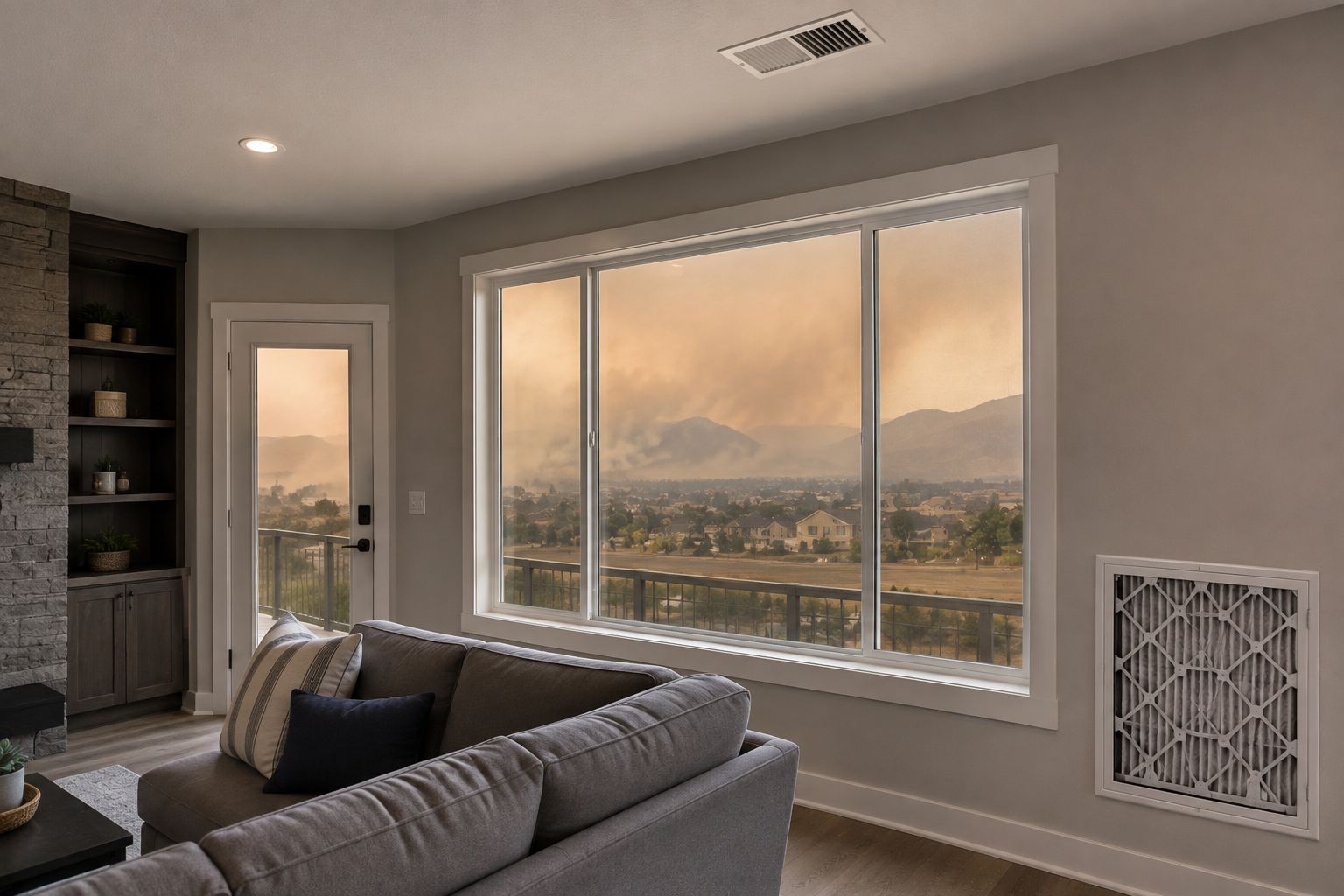
Lower oxygen levels and reduced air density also affect indoor air quality. Thinner air carries less moisture, increasing the risk of dryness, static electricity, and respiratory irritation. Energy-efficient HVAC systems designed for high-altitude homes often incorporate advanced humidification and ventilation strategies to balance comfort and air quality.
Selecting Energy-Efficient Heating Solutions
High-Altitude Heat Pumps
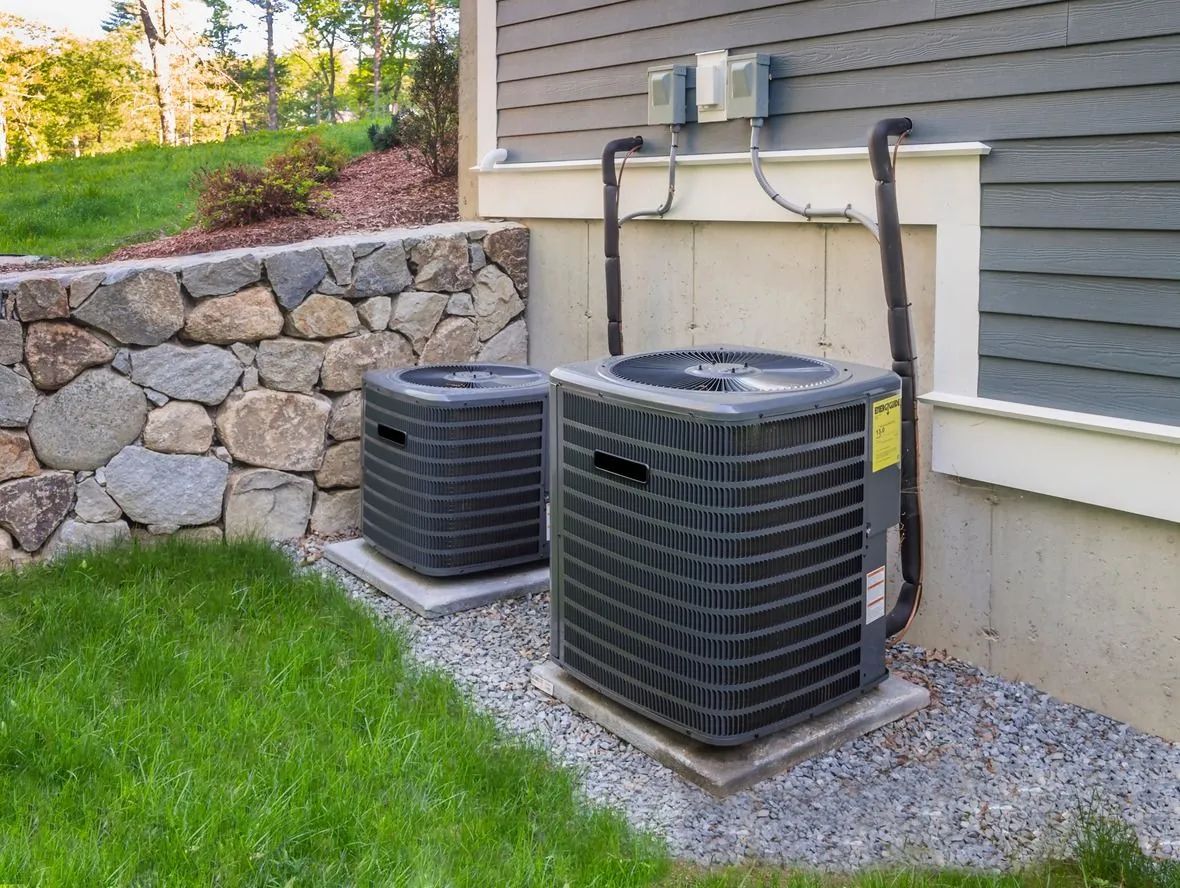
Heat pumps are increasingly popular in high-altitude homes due to their ability to transfer heat rather than generate it through combustion. High-altitude-specific heat pumps are engineered to operate efficiently in thinner air, ensuring consistent performance even in extreme weather conditions. Homeowners benefit from reduced energy consumption, lower utility bills, and quieter operation compared to traditional heating systems.
Condensing Furnaces
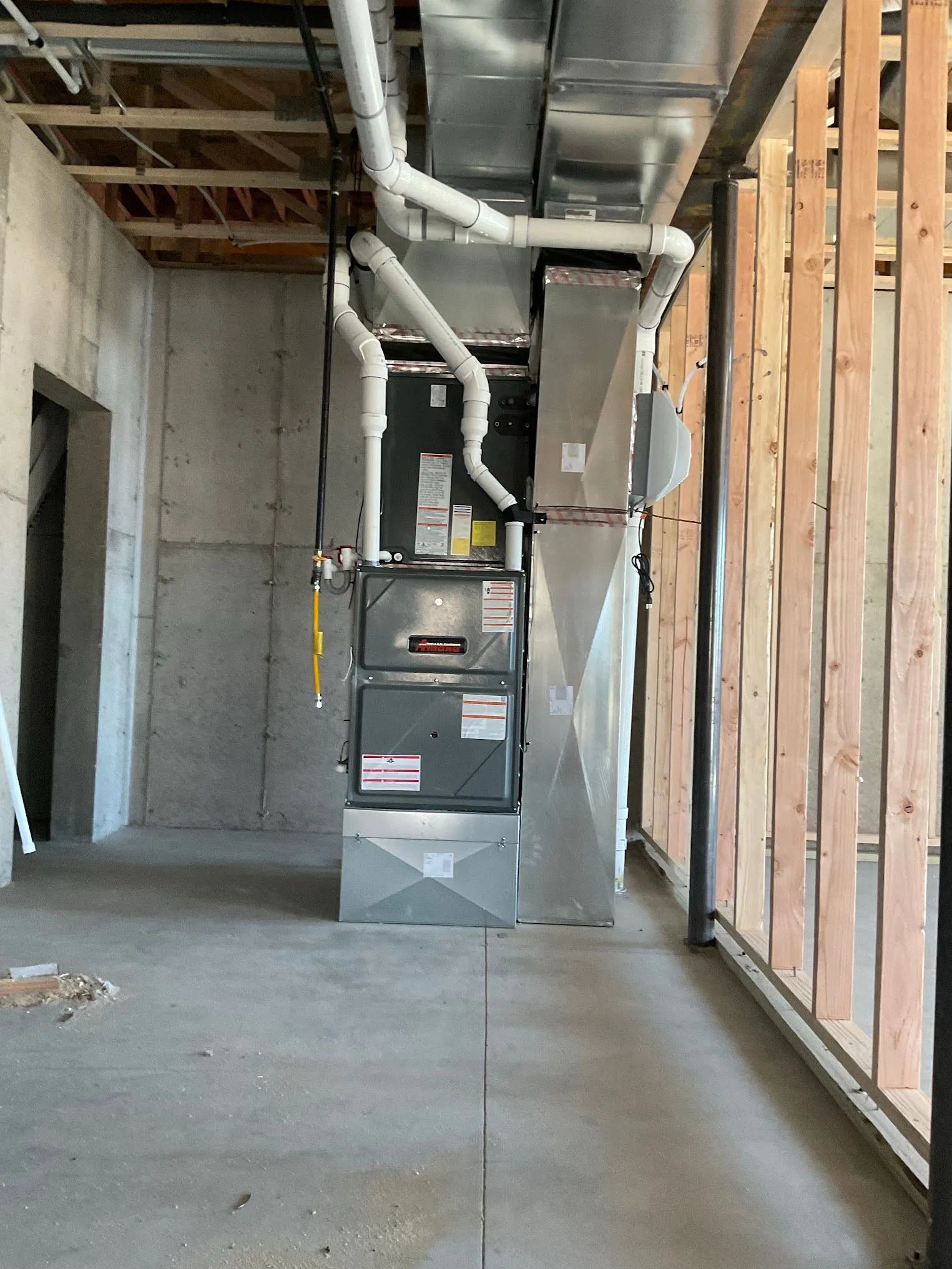
Condensing furnaces are another energy-efficient option for high-altitude heating. These systems extract additional heat from exhaust gases that would otherwise be wasted, boosting efficiency rates to 90% or higher. When paired with smart thermostats and proper ductwork, condensing furnaces maintain stable indoor temperatures while minimizing energy use.
Zoned Heating Systems
Zoned heating allows homeowners to control temperatures in individual rooms or areas independently. This approach reduces unnecessary heating in unused spaces, optimizing energy efficiency. In high-altitude homes, zoning is particularly effective because it addresses varying heat loss rates caused by architectural design, window placement, and insulation differences.
Real-World Application
For example, a three-story mountain home may have living areas exposed to direct sunlight while bedrooms remain cooler at night. By implementing a zoned heating system, the homeowner can ensure comfort in frequently used spaces while minimizing energy waste in cooler areas.
Enhancing Cooling Efficiency for Elevated Climates
High-Efficiency Air Conditioners
Although heating is often the primary concern at high altitudes, cooling remains essential during warmer months. High-efficiency air conditioners designed for reduced air pressure provide better cooling performance while using less energy. Variable-speed compressors and advanced refrigerants allow the system to adjust output dynamically based on indoor conditions, reducing energy spikes and improving comfort.
Proper Insulation and Ventilation
Effective cooling is heavily dependent on the building envelope. High-altitude homes benefit from enhanced insulation, energy-efficient windows, and reflective roofing materials to reduce heat gain. Adequate ventilation, including energy recovery ventilators (ERVs), ensures fresh air circulation without compromising indoor temperature, balancing efficiency and comfort.
Smart Cooling Controls
Smart thermostats and climate control systems enable homeowners to monitor and manage cooling remotely. Learning algorithms optimize energy use by adjusting fan speed, temperature settings, and ventilation schedules according to occupancy and weather patterns. In high-altitude locations, these systems can prevent overcooling during sunny afternoons and maintain comfortable temperatures during rapid nighttime drops.
Practical Example
A high-altitude cabin in Colorado may experience warm afternoons followed by chilly nights. Smart cooling systems can automatically reduce air conditioning output as the temperature drops, maintaining energy-efficient operation while preventing overcooling, ensuring both comfort and savings.
Integrating Renewable Energy with HVAC
Solar-Powered HVAC Systems
High-altitude homes often receive more direct sunlight, making solar-powered HVAC systems a practical and sustainable solution. Solar panels can supplement electricity for heat pumps, air conditioners, and ventilation systems, reducing dependency on grid power and lowering energy bills.
Geothermal Heating and Cooling
Geothermal HVAC systems utilize the earth’s consistent subsurface temperature to provide highly efficient heating and cooling. In high-altitude environments, geothermal systems offer remarkable energy savings, as the ground temperature remains stable regardless of fluctuating air temperatures.
Battery Storage Solutions
Combining renewable energy with battery storage allows homeowners to maximize efficiency by storing excess solar energy for use during peak demand or nighttime. This strategy reduces reliance on traditional electricity sources and enhances energy security in remote, high-altitude locations.
Expert Insight
HVAC professionals often recommend integrating renewable energy systems during initial construction or major renovations to optimize equipment sizing and system compatibility. Properly designed hybrid systems can offset up to 70% of a home’s HVAC energy use, demonstrating a substantial return on investment over time.
Maintenance Best Practices for High-Altitude Homes
Regular Equipment Inspection
Thin air and rapid temperature changes place extra strain on HVAC components. Regular inspections, including ductwork, filters, and compressors, help identify issues before they escalate. Energy-efficient systems require precise maintenance to sustain optimal performance.
Seasonal Calibration
High-altitude HVAC systems should be calibrated seasonally to adjust for changes in air density, humidity, and temperature. This practice ensures systems operate at peak efficiency year-round while preventing unnecessary wear.
Professional Cleaning and Servicing
Dust, debris, and snow accumulation can hinder system efficiency. Scheduling professional cleaning and servicing ensures heat exchangers, coils, and ventilation components remain free of obstructions, maintaining energy efficiency and indoor air quality.
Homeowner Action Steps
Homeowners can extend system longevity and efficiency by replacing filters regularly, sealing duct leaks, and monitoring thermostat performance. Combined with professional maintenance, these steps ensure high-altitude HVAC systems continue operating at peak capacity with minimal energy waste.
Choosing the Right HVAC System for High-Altitude Homes
Assessing Home Size and Layout
The size and layout of a home significantly influence HVAC selection. Large, multi-level homes require systems capable of distributing heat and cooling evenly, while smaller cabins may perform optimally with compact, high-efficiency units.
Evaluating Energy Ratings
Energy-efficient systems come with ratings such as SEER (Seasonal Energy Efficiency Ratio) for cooling and AFUE (Annual Fuel Utilization Efficiency) for heating. High-altitude homeowners should prioritize units with superior ratings, as these systems deliver optimal performance under challenging conditions while reducing energy costs.
Considering Local Climate Conditions
High-altitude regions experience unique climate patterns, including sudden temperature drops, heavy snowfall, and strong winds. Selecting HVAC systems that withstand these conditions while maintaining efficiency is critical for long-term comfort and performance.
Expert Recommendation
Consulting with HVAC professionals familiar with high-altitude environments ensures homeowners choose appropriately sized, efficient, and durable systems. Customized solutions, including hybrid systems and smart controls, deliver superior comfort and energy savings.
Reliable Heating and Cooling Expertise from Gold Star
High-altitude homes present distinct HVAC challenges, from thinner air and fluctuating temperatures to energy-intensive heating and cooling demands. By investing in energy-efficient solutions such as high-altitude heat pumps, condensing furnaces, zoned heating, advanced cooling systems, and renewable energy integration, homeowners can achieve consistent comfort while minimizing energy costs. Proper insulation, ventilation, and smart controls further enhance system efficiency, ensuring year-round reliability and sustainability. Regular maintenance, seasonal calibration, and professional servicing are essential to preserving performance in elevated environments, preventing unnecessary energy consumption, and extending equipment lifespan.
For homeowners seeking expert guidance, Gold Star Heating and Air
in Peyton, Colorado, offers over 20
years of experience delivering
energy-efficient HVAC solutions
tailored to high-altitude living. Our team specializes in designing, installing, and maintaining systems that balance comfort, efficiency, and durability. With decades of hands-on expertise, we provide personalized recommendations, professional installation, and ongoing support to ensure your home remains comfortable, energy-efficient, and resilient—no matter the altitude or climate challenges. Trust Gold Star Heating and Air
to transform your indoor environment with reliable, sustainable HVAC solutions.