How Dry Air in El Paso County Can Affect Comfort, Sinuses, and Your Heating System?
El Paso County sits at an elevation that keeps it sunny, semi-arid, and consistently dry for most of the year. When winter arrives and temperatures drop, residents fire up their heating systems and seal their homes tight against the cold. That combination of low outdoor humidity and forced indoor heating creates living conditions that most people never think to address until the problems are already in full swing. Dry air in this region is not a minor seasonal inconvenience. It is a persistent indoor air quality challenge that touches every part of daily life, from how well you sleep to how often you reach for the tissues.
Understanding how low humidity affects your body, your home, and your heating equipment gives you a meaningful advantage. Homeowners who recognize the warning signs early are better positioned to make smart decisions about their indoor environment before discomfort escalates into something more serious. Whether you are new to the region or have lived here for decades, a clearer picture of the relationship between dry air and your household systems is genuinely worth your time. This blog walks through the physiological effects, the structural consequences, and the practical steps that can restore balance inside your home during the driest months of the year.
Why El Paso County Air Gets So Dry
The Geography and Climate Behind the Problem
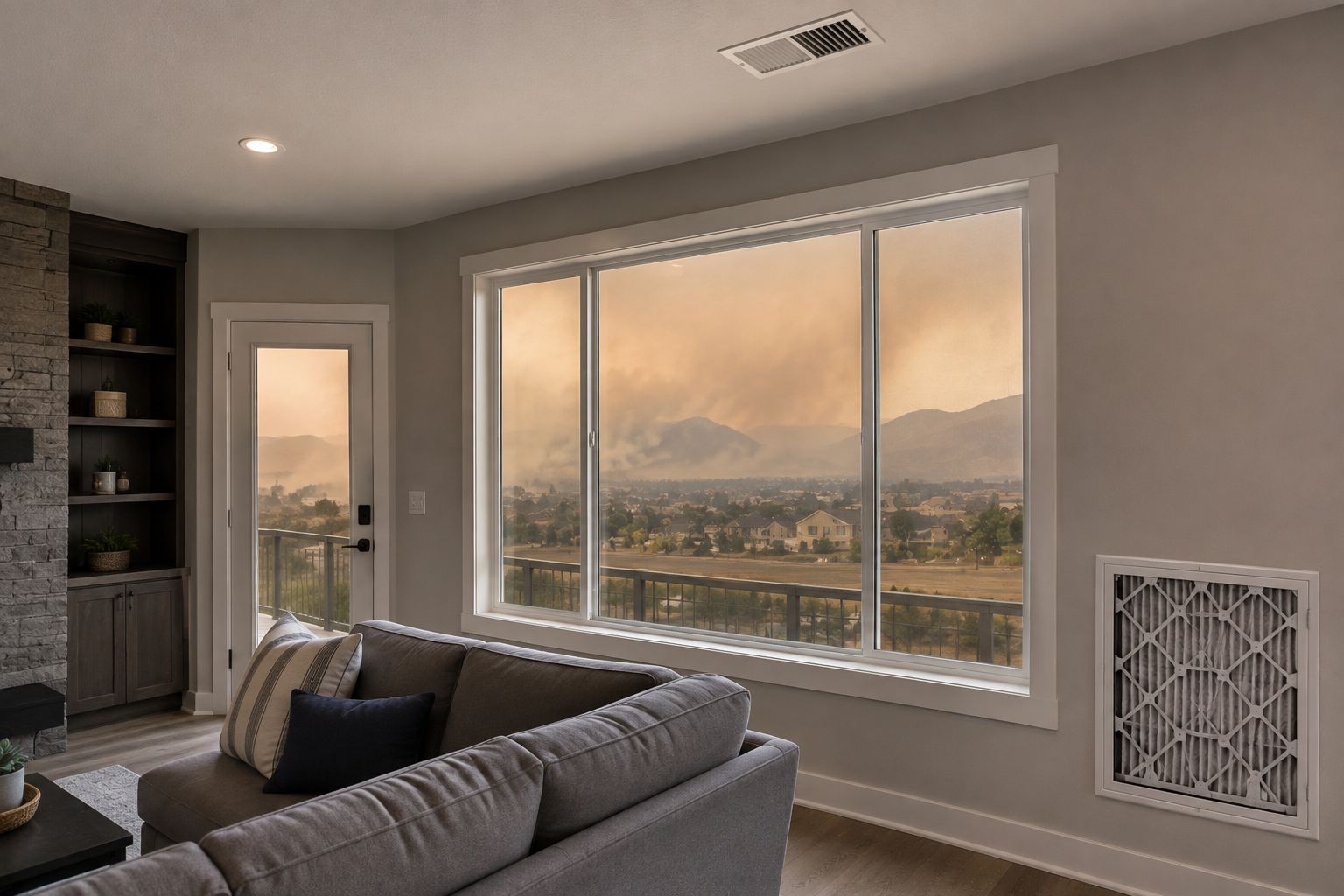
El Paso County, Colorado sits at roughly 6,000 to 7,000 feet above sea level across much of its footprint. At high altitudes, the atmosphere holds less moisture to begin with. Add to that the semi-arid climate classification the region carries, and you already have outdoor humidity levels that run significantly lower than what most of the country experiences in winter.
When cold air moves into the area, the situation intensifies. Cold air carries less moisture than warm air regardless of where you are. As that cold, dry air gets pulled into your home and heated by your furnace, its relative humidity drops even further. A furnace does not add moisture to the air. It simply raises the temperature of whatever air passes through it, and when you raise the temperature of already-dry air without adding moisture, relative humidity falls sharply.
Indoor humidity levels in El Paso County homes during winter routinely fall below 20 percent. The range considered comfortable for both people and buildings sits between 35 and 50 percent. That gap between what most homes actually have and what they need explains a wide range of problems residents report every heating season.
How Dry Air Affects Your Body
- Respiratory and Sinus Health:-
Your nasal passages, throat, and lungs rely on moisture to function properly. The mucous membranes that line your airways are your first line of defense against airborne particles, bacteria, and viruses. When the air you breathe is chronically dry, those membranes dry out and lose their ability to trap and flush away contaminants.
In practical terms, this means more nosebleeds, persistent nasal congestion, waking up with a sore or scratchy throat, and a dry cough that lingers for weeks without a clear cause. People with asthma or chronic sinus conditions tend to notice a marked worsening of their symptoms during dry winter months. Children are particularly susceptible because their airways are smaller and more sensitive.
- Sleep Quality and Skin:-
Dry air disrupts sleep in ways that many people attribute to other causes. Snoring increases when nasal passages are irritated and partially blocked. Waking up with a headache or a parched throat is often a humidity problem rather than a hydration one.
Skin feels the impact too. The moisture barrier in your skin evaporates faster when the surrounding air is dry. This leads to increased itching, flaking, and irritation, particularly on the hands and face. People who already manage eczema or psoriasis often experience flare-ups that track almost precisely with the heating season.
Structural Damage Dry Air Can Cause in Your Home
Wood, Paint, and Building Materials
Electronics and Indoor Comfort
The Direct Impact on Your Heating System
How Low Humidity Makes Your Furnace Work Harder
Here is something most homeowners do not immediately connect: humidity affects how warm you perceive your indoor environment to be. Moist air holds heat better than dry air. When your home is at 30 percent relative humidity, a room set to 70 degrees Fahrenheit feels notably cooler than the same room at 45 percent humidity. This perception gap leads people to push their thermostat higher in search of comfort that a better humidity level would actually deliver at a lower temperature setting.
The result is a furnace that runs longer and more frequently than it needs to. This adds wear to components, shortens the operational life of your equipment, and drives up your energy consumption without actually solving the underlying comfort problem.
Duct Leakage and Dry Air Compounding
Homes with leaky ductwork pull in unconditioned air from attics, crawlspaces, and wall cavities. In El Paso County, that unconditioned air is extremely dry. Duct leaks do not just reduce heating efficiency. They actively pull drier air into your living spaces, worsening the humidity deficit your furnace is already creating.
Getting your ducts inspected and sealed is one of the most impactful steps you can take to improve both heating performance and indoor humidity levels at the same time.
Practical Solutions for El Paso County Homeowners
- Whole-Home Humidifiers:-
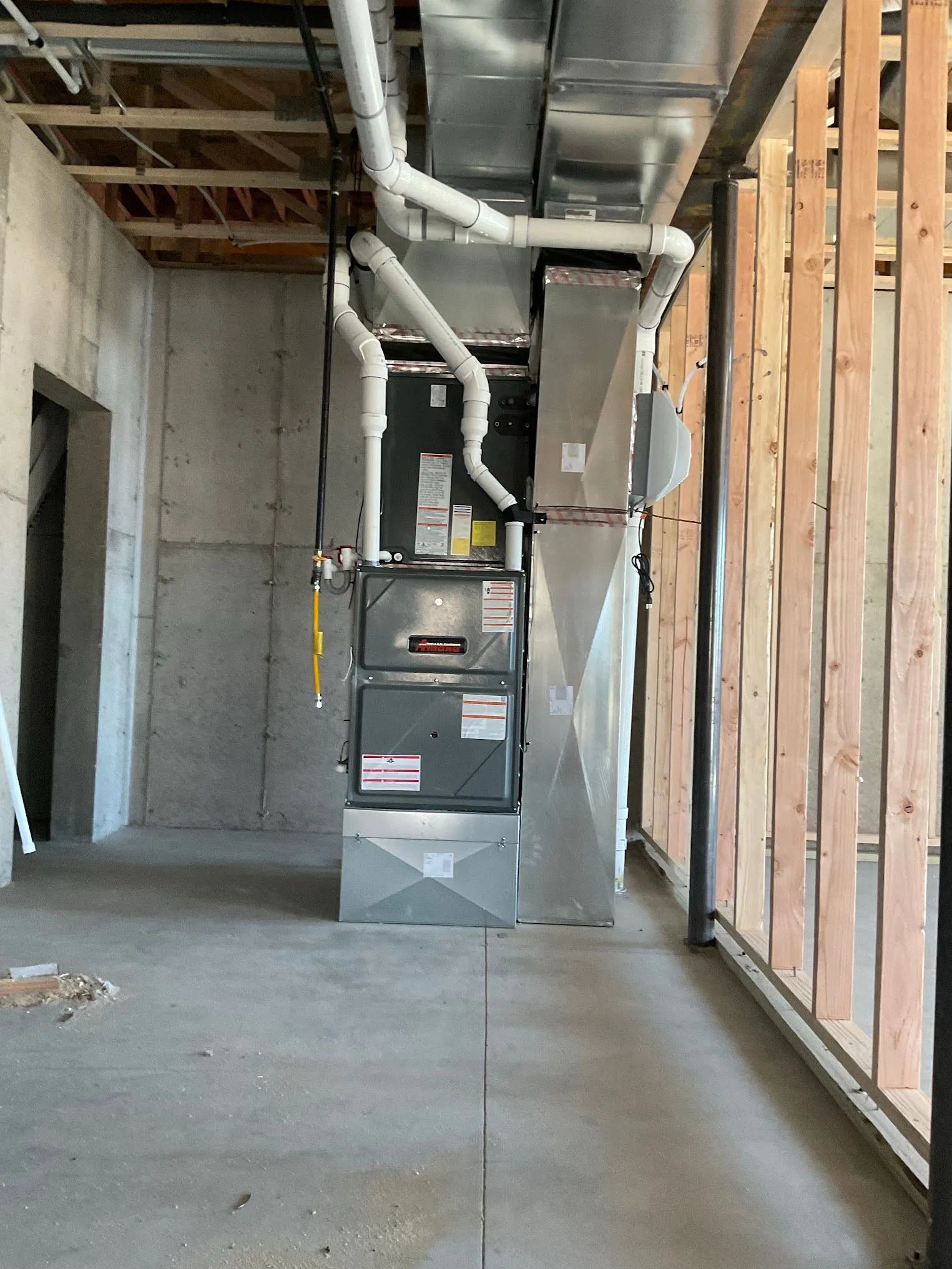
Portable room humidifiers can help in specific spaces, but they require constant refilling, regular cleaning, and they cannot address the needs of an entire house with any consistency. A whole-home humidifier installed directly on your HVAC system introduces controlled moisture into every room served by your ductwork.
There are two primary types: bypass humidifiers, which work when your furnace runs, and fan-powered models, which can add moisture even when the furnace is not actively heating. Your HVAC technician can assess your system and your home's square footage to recommend the right capacity.
- Thermostat Adjustments and Smart Controls:- Pairing a whole-home humidifier with a smart thermostat or a humidistat gives you precise control over both temperature and humidity. A humidistat measures the current relative humidity in your home and signals the humidifier to run when levels drop below your target. This automation removes guesswork and keeps your indoor environment steady without requiring constant manual adjustment.
- Regular HVAC Maintenance:- A well-maintained furnace runs more efficiently and supports better air quality. Annual inspections before the heating season allow a technician to check the heat exchanger, clean components, verify airflow, and identify any issues that might be contributing to poor humidity control. Filters should be replaced on a schedule appropriate to your system and your household. A clogged filter restricts airflow, which affects how efficiently your system can distribute conditioned air throughout your home.
Dependable Comfort Solutions Rooted in Local HVAC Knowledge
Dry air in El Paso County is not simply a weather condition you tolerate through winter. It is a measurable indoor air quality issue that shapes how your body feels, how your home holds up, and how hard your heating system has to work to keep up. The connection between low humidity and increased respiratory irritation, structural wear, and heating inefficiency is well documented and directly relevant to anyone living in this region. Addressing it is not complicated, but it does require understanding where the problem starts and what interventions actually make a difference. A whole-home humidifier, properly sealed ductwork, and a maintained furnace can transform the indoor experience during the coldest months.
At Gold Star Heating and Air, we bring over 20 years of hands-on HVAC experience to homeowners across Peyton, Colorado and the surrounding El Paso County region. We understand exactly what this climate demands from heating systems and indoor air quality solutions, because we have worked in these conditions for 20 years. We specialize in whole-home humidifier installation, duct sealing, furnace maintenance, and system diagnostics designed for the specific challenges of high-altitude, semi-arid living. When you work with us, you get a team that knows how dry winters affect homes like yours and what it takes to make real improvements. We do not offer generic advice or one-size recommendations. We assess your specific system, your home's construction, and your comfort goals, and we build a solution that fits. If you are ready to stop fighting dry air and start managing it properly, we are the team El Paso County homeowners have trusted for over 20 years.
Frequently Asked Questions
1. What is a healthy indoor humidity level for homes in El Paso County?
The ideal indoor relative humidity sits between 35 and 50 percent. El Paso County homes often fall well below that range during winter, which is why many residents benefit from whole-home humidification paired with their existing heating system.
2. Can dry air actually damage my furnace or HVAC system?
Dry air does not damage the furnace directly, but it causes residents to set thermostats higher than necessary, which means the furnace runs longer and harder. Over time, this additional run time accelerates component wear and reduces the overall lifespan of the equipment.
3. How do I know if my home has a humidity problem?
Common signs include frequent nosebleeds, persistent dry cough, static electricity shocks, cracking wood floors or trim, and paint cracks forming near windows and doors. A simple hygrometer, available at most hardware stores, can give you an accurate indoor humidity reading.
4. Are portable humidifiers enough for a full home in El Paso County?
Portable units work well for single rooms but struggle to maintain adequate humidity across an entire home. They also require frequent refilling and cleaning. A whole-home unit installed on your HVAC system delivers more consistent results with less ongoing maintenance.
5. Does sealing ductwork actually help with dry air indoors?
Yes. Leaky ducts pull in air from unconditioned spaces like attics and crawlspaces, which in El Paso County is extremely dry. Sealing those leaks reduces the amount of dry air entering your living spaces and improves both heating efficiency and indoor humidity levels at the same time.