How UV Lights Improve Air Quality in Dust-Prone Areas Like Calhan, CO
Maintaining clean indoor air has become increasingly essential, particularly in regions prone to high dust levels. Communities like Calhan, Colorado, face unique environmental challenges, with dry, arid conditions and frequent dust storms contributing to airborne particulates. For residents and businesses, these particles can lead to respiratory discomfort, exacerbate allergies, and even affect the longevity of HVAC systems. In this context, ultraviolet (UV) lights have emerged as a highly effective tool to enhance indoor air quality, offering a proactive solution to a persistent environmental issue.
UV lights work by neutralizing airborne pathogens and reducing the accumulation of dust-related contaminants within HVAC systems. Unlike traditional air filters that primarily capture particulate matter, UV technology actively targets microorganisms, including bacteria, mold, and viruses, that can thrive on dust particles. By integrating UV lights into air handling units, property owners can significantly lower the concentration of harmful microorganisms while maintaining efficient airflow. This dual function not only promotes healthier indoor environments but also extends the lifespan of heating and cooling equipment, making UV lights a practical investment for homes and commercial spaces in dust-prone areas.
Understanding UV Air Purification Technology
How UV Lights Work
Ultraviolet lights, particularly UV-C wavelengths, possess germicidal properties that can effectively neutralize microorganisms. When installed within HVAC systems, these lights emit radiation that penetrates the DNA or RNA of bacteria, viruses, and mold spores. This process disrupts their ability to reproduce, rendering them inactive. Unlike conventional filters, which physically trap particles, UV lights provide continuous sanitization, ensuring that the air circulating indoors remains cleaner and safer.
Types of UV Light Systems
There are two primary configurations for UV air purification:
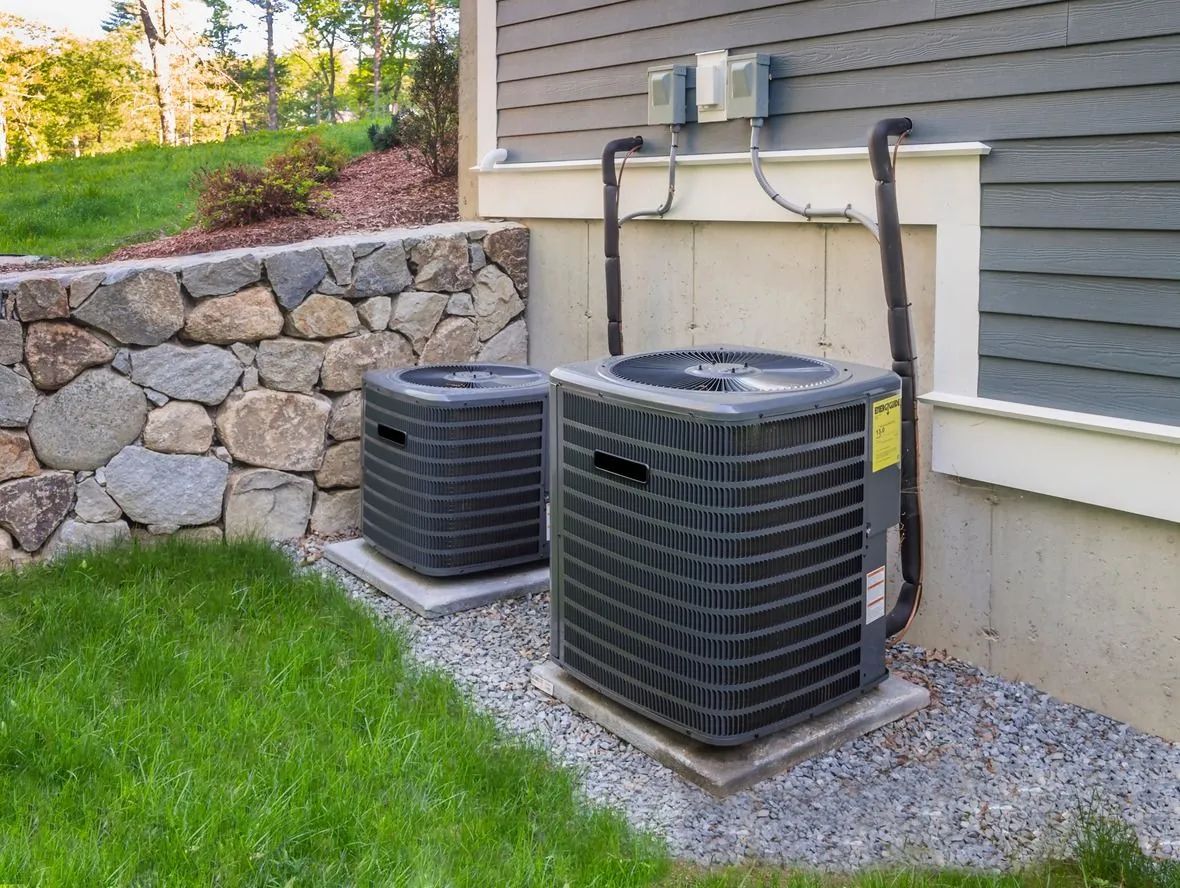
- Coil Sterilization UV Systems – These units are installed near the HVAC coil, preventing the growth of mold and bacteria on the cooling surface. In dust-prone regions, this is crucial, as dust accumulation provides a breeding ground for microbes.
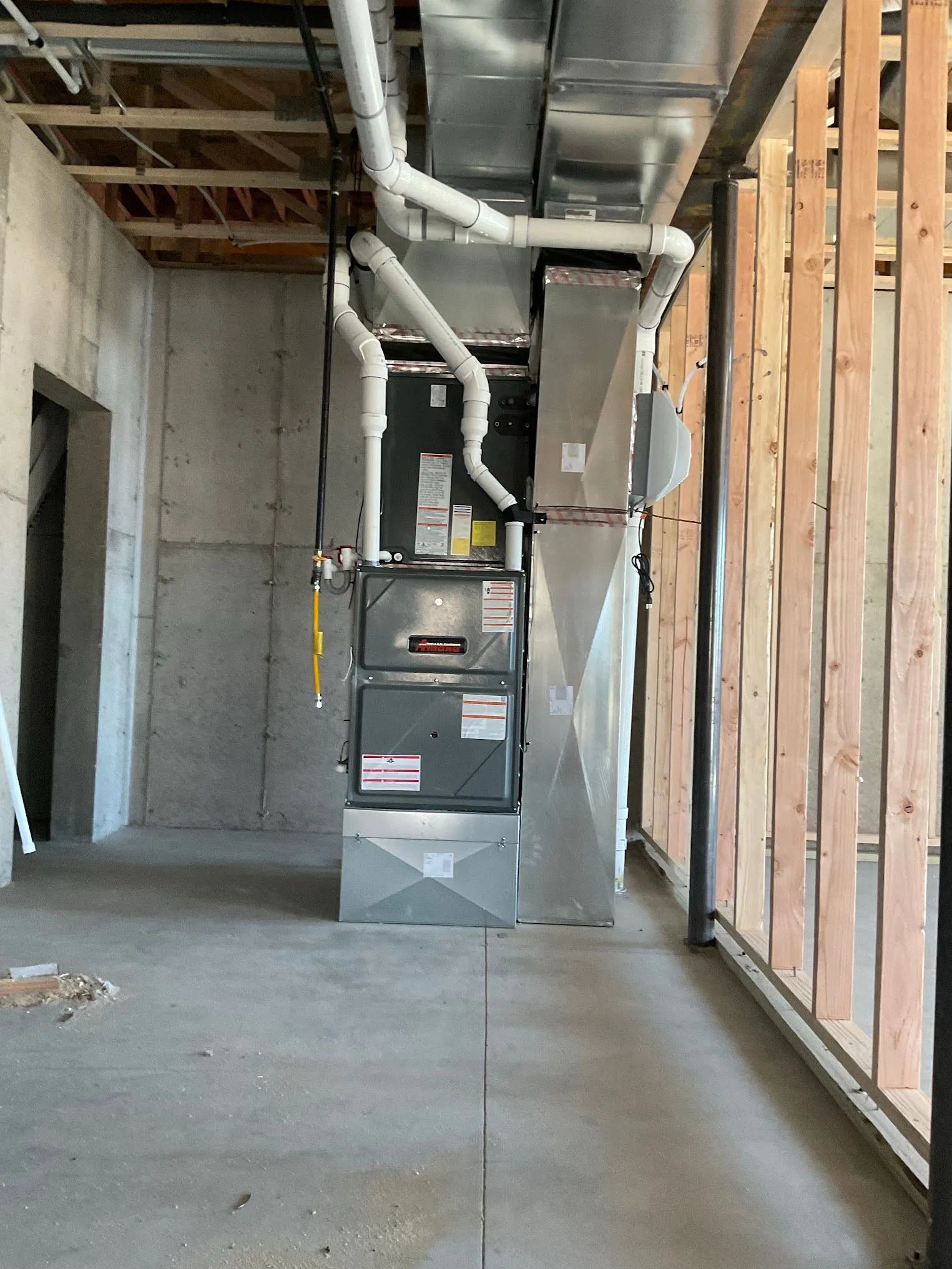
- Air Duct UV Systems – These systems treat the air directly as it moves through the ducts, neutralizing airborne pathogens before they reach living or working spaces. This approach ensures a broader distribution of purified air throughout the building.
Real-World Effectiveness
Research and case studies demonstrate that UV-C systems can reduce microbial growth by over 90% in treated HVAC environments. For households in Calhan, where dust and low humidity combine to create favorable conditions for mold, UV lights can serve as a preventive measure. Businesses, particularly healthcare facilities, schools, and offices, benefit from improved air quality, reduced absenteeism due to illness, and lower maintenance costs for HVAC equipment.
Key Considerations
While UV lights are highly effective, their placement and intensity are critical. Professional installation ensures optimal exposure to air streams or coil surfaces. Additionally, UV bulbs require periodic replacement to maintain efficacy, as their germicidal strength diminishes over time.
The Relationship Between Dust and Indoor Air Quality
How Dust Impacts Health
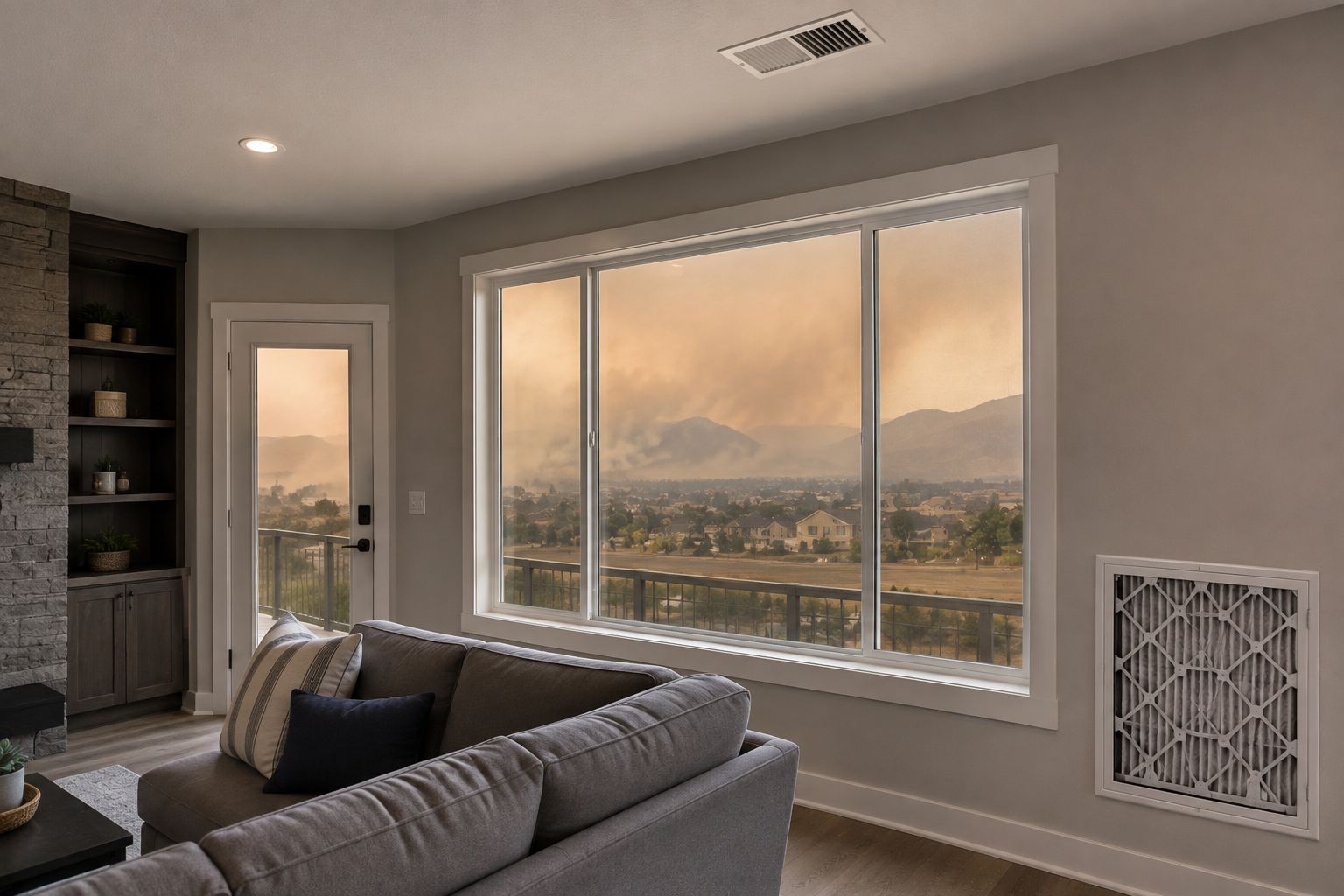
Dust in the home or workplace is more than a visual nuisance. Fine particulate matter can carry allergens, bacteria, and fungal spores, increasing the risk of respiratory issues such as asthma, allergies, and sinus infections. In arid regions like Calhan, where dust storms are common, residents experience higher concentrations of airborne particulates, which can settle on HVAC components and circulate continuously.
Dust Accumulation in HVAC Systems
HVAC systems are particularly vulnerable to dust infiltration. When dust accumulates on coils and ductwork, it creates an environment conducive to microbial growth. This not only diminishes air quality but also reduces the efficiency of heating and cooling systems. Reduced airflow can increase energy costs, while microbial contamination may necessitate costly cleaning or component replacement.
UV Lights as a Dust-Related Solution
UV lights address the indirect impact of dust on air quality. By sterilizing microorganisms that cling to dust particles or settle on system components, UV technology limits the spread of airborne pathogens. This is particularly valuable in homes and offices where conventional filters may not capture microscopic microbes. Over time, integrating UV lights into HVAC systems reduces dust-related microbial growth, contributing to cleaner air and healthier living environments.
Expert Insight
Environmental specialists emphasize that a multi-layered approach is most effective. Combining UV lights with regular filter maintenance and routine duct cleaning ensures optimal air quality. In dust-prone areas, neglecting any component of this strategy can significantly compromise indoor health.
Benefits of UV Lights in Dust-Prone Areas
Enhanced Health and Safety
UV lights actively reduce bacteria, viruses, and mold spores that accumulate on dust particles. For individuals with allergies, asthma, or other respiratory conditions, this can lead to noticeable improvements in symptoms. Cleaner air translates into fewer respiratory irritants, a reduction in allergy flare-ups, and an overall healthier indoor environment.
Prolonged HVAC System Life
By preventing microbial growth on coils and ducts, UV lights help maintain efficient airflow and reduce the need for intensive cleaning. Dust accumulation paired with microbial growth can corrode components over time. UV sterilization mitigates this risk, extending the lifespan of air handling systems and maintaining energy efficiency.
Energy Efficiency and Cost Savings
UV lights support better system performance by preventing microbial biofilm on coils, which can impede heat exchange. As HVAC units operate more efficiently, energy consumption decreases, leading to cost savings on utility bills. Moreover, cleaner systems require less maintenance, further reducing long-term expenses.
Peace of Mind for Homeowners and Businesses
Installing UV lights offers reassurance that the air circulating indoors is continuously being sanitized. In commercial environments such as offices, clinics, and schools, improved air quality also enhances workplace safety and supports regulatory compliance for health standards.
Challenges and Best Practices for UV Light Integration
Potential Challenges
- Limited Reach – UV light effectiveness depends on exposure. Air moving too quickly past the bulb may not receive sufficient treatment.
- Bulb Maintenance – UV bulbs lose effectiveness over time and require scheduled replacement.
- Installation Complexity – Proper placement in HVAC systems is essential. Incorrect installation can compromise efficacy.
Best Practices
- Professional Installation – HVAC professionals can strategically place UV units to maximize exposure to coils or airflow.
- Combine with Filtration – Pairing UV lights with HEPA or high-quality filters enhances overall air quality by capturing both particulates and microorganisms.
- Regular Maintenance – Schedule routine inspections to replace UV bulbs and clean ducts, ensuring optimal performance.
- Monitor Indoor Air Quality – Use sensors or air quality monitors to assess improvements and determine when maintenance is needed.
Real-World Example
In commercial office buildings in dust-prone regions, integrating UV lights with a high-efficiency filtration system reduced microbial contamination by over 80%, according to facility management reports. Employees reported fewer allergy symptoms, and HVAC energy consumption dropped by 10% due to cleaner coils.
Choosing the Right UV System for Dust-Prone Environments
Selecting the appropriate UV light system involves considering air volume, duct size, and specific contamination risks. Coil sterilization systems are ideal for areas with heavy dust accumulation on HVAC components, while in-duct air sterilizers offer broader coverage for larger spaces. Evaluate the following factors:
- UV-C Wavelength – Ensure bulbs emit the correct germicidal wavelength (typically 254 nm).
- System Size and Airflow – Match the UV unit’s capacity to the HVAC system to maximize exposure.
- Durability – Bulbs should withstand local temperature variations and continuous operation.
Professional assessment ensures that homeowners and businesses invest in a system tailored to their needs, providing maximum effectiveness against dust-related microbial challenges.
Reliable Professionals Optimizing Dust-Prone Environments Safely
UV lights provide a scientifically proven method to enhance indoor air quality, particularly in dust-prone areas such as Calhan, Colorado. By neutralizing bacteria, viruses, and mold spores that accumulate on dust particles and HVAC components, these systems address both the visible and invisible challenges posed by airborne contaminants. Beyond the health benefits, UV technology supports the longevity and efficiency of HVAC systems, reduces maintenance needs, and contributes to lower energy costs. For residents and businesses facing persistent dust issues, integrating UV lights into air handling units represents a proactive, long-term solution to improve indoor environments.
For property owners seeking professional guidance on implementing UV air purification, Gold Star Heating and Air
in Peyton, Colorado, stands as a trusted authority with 20
years of experience in HVAC services. The company specializes in designing and installing systems that optimize indoor air quality, combining advanced technology with proven expertise. Gold Star Heating and Air
understands the unique challenges faced by homes and businesses in regions like Calhan, offering tailored solutions that reduce dust, allergens, and microbial contaminants. Their team works closely with clients to assess system needs, select appropriate UV technology, and ensure proper installation and maintenance. By partnering with a reliable, knowledgeable provider, property owners gain peace of mind knowing their indoor air is continually monitored and treated, fostering healthier living and working conditions. With two decades of service excellence, Gold Star Heating and Air
remains committed to providing high-quality, energy-efficient, and effective air quality solutions, reinforcing the importance of proactive indoor environmental care in dust-prone areas.