Why HVAC Systems Work Harder at High Elevation in Colorado Springs, CO?
Colorado Springs, CO, sits at an elevation of more than 6,000 feet above sea level, creating unique environmental conditions that directly affect residential and commercial HVAC performance. Homeowners in this region often notice that heating and cooling systems seem to cycle more frequently, struggle during seasonal temperature swings, or require repairs sooner than expected. High elevation changes the way air behaves, influences combustion efficiency, and reduces overall system performance. Understanding how altitude impacts HVAC systems helps property owners make informed decisions about maintenance, system upgrades, and energy management.
The HVAC industry continues adapting to the challenges associated with high-altitude climates, especially in areas like Colorado Springs, where fluctuating temperatures, low humidity, and thinner air create demanding operating conditions. Systems installed at lower elevations may not perform the same way once placed in mountainous regions. Equipment sizing, airflow calibration, refrigerant balance, and combustion adjustments become increasingly important in maintaining indoor comfort and efficiency. Homeowners who recognize these elevation-related challenges can better protect their investment, improve energy usage, and reduce long-term repair costs while maintaining dependable indoor comfort across every season.
Understanding How High Elevation Changes HVAC Performance
Reduced Air Density Affects Heating and Cooling
Air becomes thinner as elevation increases, which means there are fewer air molecules available to transfer heat. HVAC systems rely heavily on airflow and heat exchange to maintain indoor temperatures. In Colorado Springs, reduced air density forces heating and cooling equipment to work harder to move and condition indoor air.
Air conditioners depend on dense airflow to remove heat from indoor spaces. At high elevation, the reduced density limits the system’s ability to absorb and transfer heat through evaporator and condenser coils. Furnaces also experience performance challenges because combustion systems rely on oxygen-rich air for proper fuel burning. Lower oxygen levels reduce combustion efficiency and can affect heating output.
This issue becomes more noticeable during extreme seasonal weather changes. During winter, furnaces may run longer cycles to maintain indoor warmth. During summer, cooling systems often struggle to remove heat as quickly as they would at lower elevations. Property owners frequently experience higher energy usage because equipment operates longer to meet thermostat settings.
HVAC Equipment Requires Altitude Adjustments
Many HVAC systems are manufactured and factory-calibrated for lower elevations. Without proper modifications, systems installed in Colorado Springs may operate inefficiently or develop unnecessary wear. High-altitude adjustments are essential for preserving system performance and protecting critical components.
Furnaces often require burner adjustments to compensate for reduced oxygen levels. Incorrect fuel-to-air ratios can create incomplete combustion, reduced heating capacity, and additional strain on heat exchangers. Cooling systems may also require airflow balancing and refrigerant calibration to account for changes in atmospheric pressure.
Professional HVAC technicians understand how to fine-tune systems specifically for high-elevation operation. Proper calibration helps maintain indoor comfort while supporting safer and more reliable equipment performance.
Why Furnaces Face Greater Stress in Colorado Springs
Combustion Challenges at High Altitude
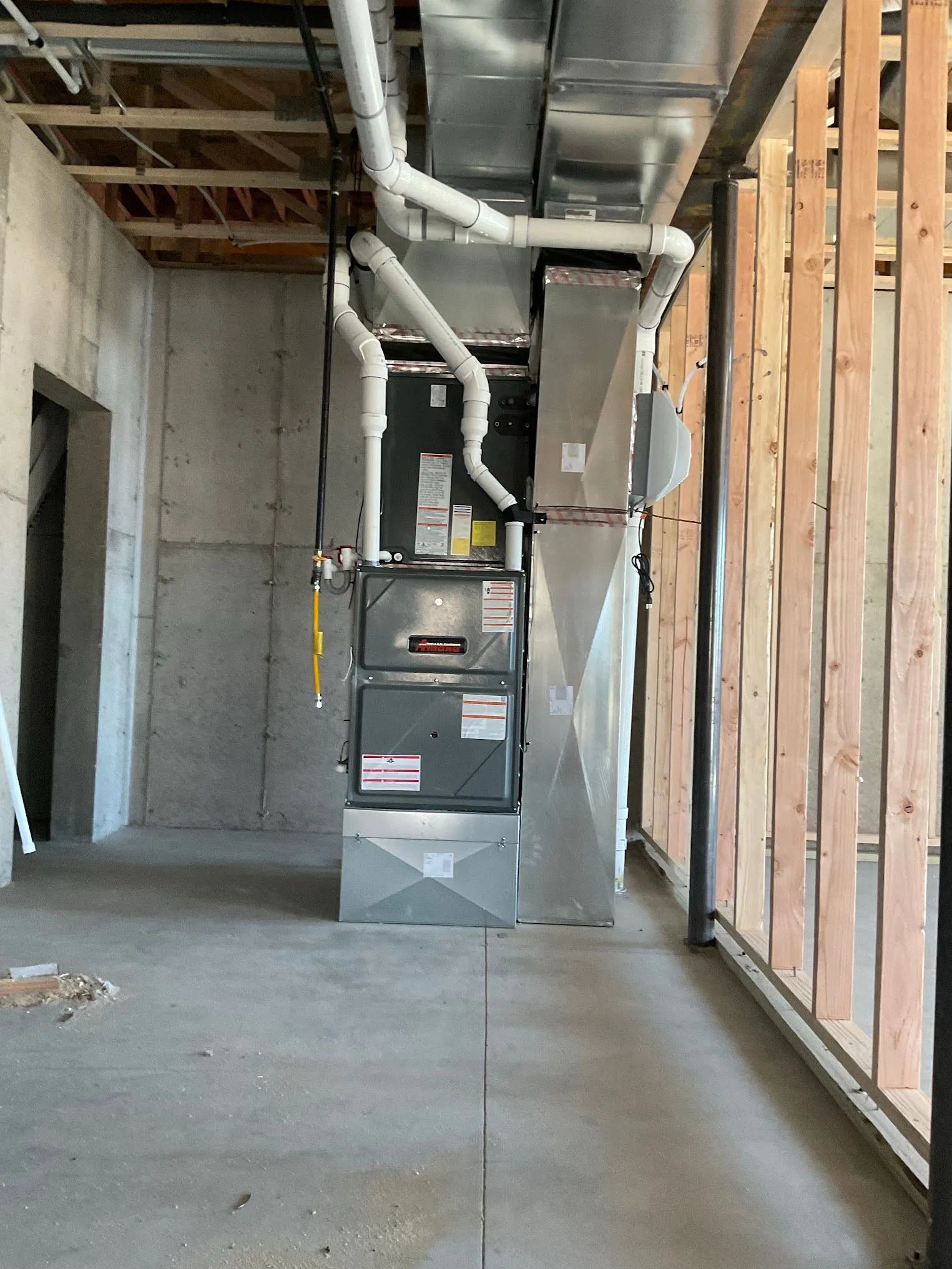
Gas furnaces rely on combustion to generate heat. At higher elevations, oxygen levels decrease significantly, which affects the combustion process inside the furnace burner assembly. Less oxygen means fuel cannot burn as cleanly or as efficiently without adjustment.
Improper combustion creates several potential issues, including delayed ignition, soot buildup, uneven heating, and increased wear on furnace components. Furnaces may also experience overheating because systems run longer to compensate for reduced heating output. Over time, this additional workload can shorten equipment lifespan.
High-altitude combustion problems also increase the importance of proper ventilation. Furnaces must safely expel combustion gases while maintaining balanced airflow inside the home. Venting systems designed for lower elevations may not perform properly without modification.
Temperature Swings Increase Furnace Demand
Colorado Springs experiences dramatic temperature fluctuations throughout the year. Winter nights can become extremely cold while daytime temperatures rise quickly due to strong sunlight and dry air. These rapid swings force furnaces to cycle more often.
Frequent cycling increases wear on motors, ignition systems, blowers, and heat exchangers. Homeowners may notice uneven temperatures between rooms, rising heating bills, or reduced indoor comfort during colder months.
Older homes in high-elevation areas often face additional insulation and air leakage problems that place even greater demand on HVAC systems. Drafty windows, insufficient attic insulation, and aging ductwork allow heated air to escape quickly, causing furnaces to work harder than necessary.
Dry Climate Impacts Indoor Comfort
Colorado’s dry climate creates another challenge for heating systems. Low humidity levels can make indoor air feel cooler even when temperatures appear comfortable on the thermostat. As a result, homeowners often raise thermostat settings higher than needed to compensate for dry indoor conditions.
This additional furnace usage increases energy consumption and places more stress on heating equipment. Dry air can also affect static pressure within duct systems and contribute to indoor air quality concerns.
Adding humidity control systems can help improve comfort while reducing unnecessary furnace strain. Proper indoor humidity often allows homeowners to feel warmer at lower thermostat settings.
How High Elevation Impacts Air Conditioning Systems
Cooling Efficiency Drops in Thin Air
Air conditioning systems remove indoor heat through heat exchange and refrigerant circulation. At high elevation, reduced atmospheric pressure and lower air density decrease the efficiency of this process.
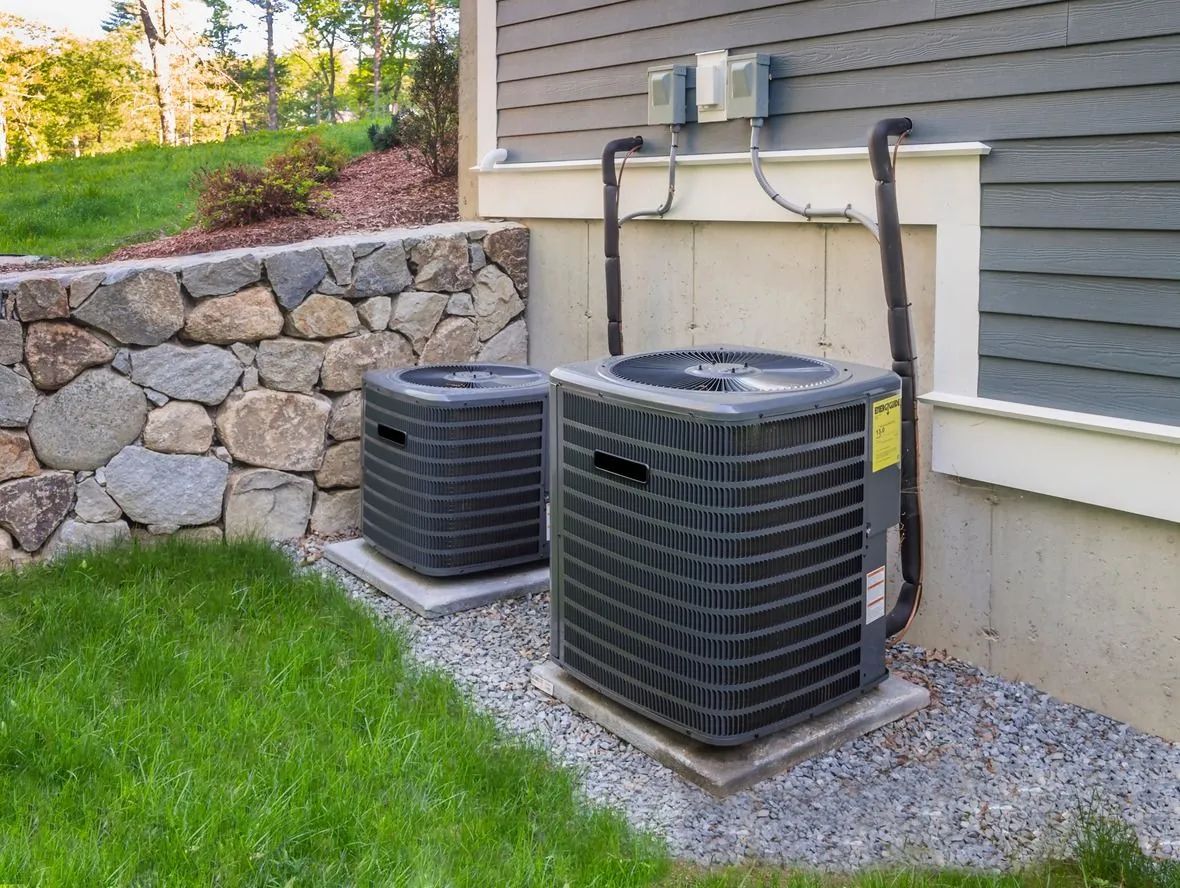
Condensers located outdoors struggle to release heat as efficiently because thinner air removes heat less effectively. Indoor evaporator coils also face reduced heat absorption capability. As a result, cooling cycles become longer and energy usage rises during warmer months.
Although Colorado Springs typically experiences milder summers than lower-elevation regions, strong sunlight and dry conditions can still place heavy demand on cooling systems. Homes with large windows, insufficient shading, or poor insulation often experience excessive indoor heat gain during summer afternoons.
Refrigerant Pressures Behave Differently
Refrigerant systems respond differently at higher altitudes due to lower atmospheric pressure. Standard refrigerant charge levels designed for sea-level operation may not provide ideal performance in Colorado Springs.
Incorrect refrigerant pressure can reduce cooling capacity, strain compressors, and increase operating temperatures inside the system. Compressors working under improper conditions often experience premature wear and higher repair frequency.
Experienced HVAC professionals understand how elevation impacts refrigerant readings and cooling performance. Accurate charging and system balancing help protect expensive components while improving overall efficiency.
Airflow Restrictions Become More Noticeable
Proper airflow remains critical for air conditioning systems operating at high elevation. Dirty filters, blocked vents, and undersized ductwork can create major performance issues because thinner air already limits system efficiency.
Many homeowners underestimate the impact of restricted airflow on cooling performance. Even small airflow problems can force systems to work much harder in Colorado Springs compared to lower elevations.
Routine filter replacement, duct inspections, and airflow testing help maintain healthy system operation. Clean airflow pathways support better temperature control while reducing unnecessary equipment strain.
Common HVAC Problems Caused by High Elevation
Shortened Equipment Lifespan
One of the most common consequences of high-elevation HVAC operation is accelerated wear and tear. Systems running longer cycles naturally experience more stress on moving components such as blower motors, compressors, and fans.
Heat exchangers may face repeated expansion and contraction due to frequent cycling, while compressors endure higher operating pressures during prolonged cooling demand. Over time, these conditions contribute to earlier equipment replacement needs.
Homeowners who ignore regular maintenance often encounter expensive repairs much sooner than expected. Preventive care becomes even more important in high-altitude climates because systems already operate under increased strain.
Uneven Heating and Cooling
Homes in Colorado Springs frequently experience uneven indoor temperatures due to elevation-related airflow challenges. Upper floors may overheat during summer while lower levels remain cool. Certain rooms may struggle to maintain comfort during winter.
Several factors contribute to these imbalances, including reduced air density, poor duct design, inadequate insulation, and improper equipment sizing. Systems that are too small may run continuously, while oversized systems cycle too quickly without properly conditioning indoor air.
Zoning systems, upgraded insulation, and duct balancing can help improve temperature consistency throughout the property.
Increased Energy Bills
Longer operating cycles naturally lead to higher utility costs. HVAC systems in high-elevation regions consume more energy because equipment must work harder to achieve desired indoor temperatures.
Many homeowners notice seasonal energy spikes during both winter and summer. In some cases, poor maintenance or outdated equipment magnifies the problem further.
Energy-efficient upgrades such as variable-speed systems, smart thermostats, improved insulation, and high-efficiency furnaces can help offset the additional energy demands associated with high elevation.
Skilled HVAC Professionals Handling High Elevation Challenges
High elevation creates unique operating conditions that place additional strain on HVAC systems throughout Colorado Springs, CO. Thin air, lower oxygen levels, fluctuating temperatures, and reduced atmospheric pressure all influence heating and cooling performance. Furnaces experience combustion challenges, air conditioners lose efficiency, and airflow problems become more noticeable at higher altitudes. These conditions often lead to longer system cycles, uneven indoor temperatures, higher utility bills, and accelerated equipment wear. Understanding how elevation affects HVAC operation allows homeowners to make smarter maintenance and upgrade decisions that support long-term system reliability and indoor comfort.
For property owners seeking dependable HVAC solutions in Colorado’s demanding climate, experience and local knowledge matter. At Gold Star Heating and Air
in Peyton, Colorado, we bring 20
years of industry experience serving homeowners who face the unique heating and cooling challenges associated with high-elevation living. Our approach focuses on accurate diagnostics, professional system calibration, dependable repairs, and energy-conscious solutions designed for Colorado conditions. We understand how altitude impacts furnace combustion, airflow performance, refrigerant behavior, and overall system efficiency. Our commitment to quality workmanship, honest communication, and long-term customer care has made us a trusted authority for residential HVAC services throughout the region.