When the Cold Bites Back: Your Guide to Furnace Repair
The chill wind howls outside, and you snuggle deeper under the blankets, only to realize… your house is just as cold as the great outdoors. That sinking feeling? It’s the dread of a malfunctioning furnace. Don’t panic! This guide will walk you through the common furnace problems, what you can check yourself, and when it’s time to call in the professionals.
Common Furnace Problems: Decoding the Cold Snap
Furnaces, like any mechanical system, can encounter a variety of issues. Here are some of the most frequent culprits:
- No Heat at All: This is the most alarming scenario. It could be anything from a tripped circuit breaker to a malfunctioning pilot light (in older models) or a faulty gas supply.
- Insufficient Heat: Your furnace might be running, but the air coming out is lukewarm or cool. This could be due to a dirty air filter, a problem with the blower motor, or issues with the gas valve.
- Uneven Heating: Some rooms are toasty warm while others remain frigid. This often points to problems with ductwork, like leaks or blockages, or issues with zoning systems (if you have them).
- Strange Noises: Banging, rattling, grinding, or whistling sounds are never a good sign. They could indicate loose parts, a failing blower motor, or problems with the heat exchanger. Ignoring these noises can lead to more serious (and expensive) repairs.
- Unusual Odors: A burning smell, a gas smell, or a musty odor should never be ignored. Burning smells could indicate electrical issues, while gas smells are a serious safety hazard and require immediate attention. Musty odors might point to mold growth within the system.
- Short Cycling: Your furnace turns on and off frequently, never reaching the desired temperature. This can be caused by a dirty air filter, a faulty thermostat, or a problem with the flame sensor. Short cycling wastes energy and can put unnecessary wear and tear on your furnace.
DIY Troubleshooting: What You Can Check First
Before you reach for the phone, there are a few things you can check yourself:
- The Thermostat: Make sure it’s turned on and set to the correct temperature. Check the batteries if it’s battery-powered.
- The Circuit Breaker: Check your electrical panel to see if the circuit breaker for your furnace has tripped. Reset it if necessary.
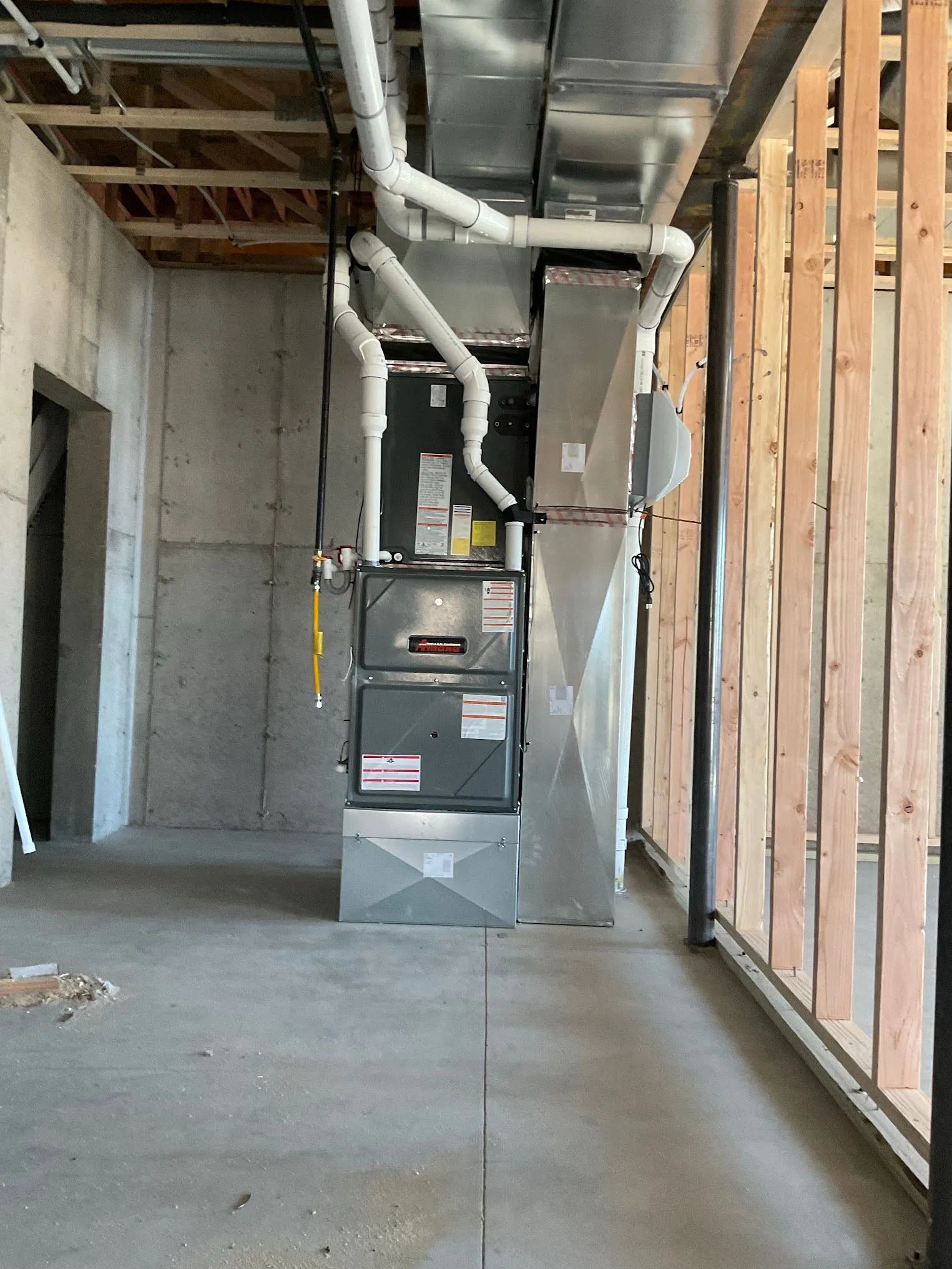
- The Air Filter: A dirty air filter restricts airflow and can cause a variety of problems. Replace it if it’s dirty.
- The Pilot Light (Older Models): If you have an older furnace with a pilot light, check to see if it’s lit. Relighting it (carefully!) might solve the problem. (Newer furnaces have electronic ignition and don’t have pilot lights.)
- The Gas Supply: If your furnace uses natural gas, make sure the gas supply is turned on. Check other gas appliances in your home to see if they’re working.
When to Call a Professional: Don’t DIY Danger
While some simple troubleshooting is fine, certain situations require the expertise of a qualified HVAC technician:
- Gas Smells: If you smell gas, evacuate your home immediately and call your gas company or emergency services. Do not attempt to troubleshoot the problem yourself.
- Electrical Issues: If you suspect an electrical problem, it’s best to leave it to the professionals. Working with electricity can be dangerous.
- Complex Repairs: Anything beyond basic troubleshooting should be handled by a qualified technician. Trying to fix complex issues yourself can make the problem worse and could even be dangerous.
- No Heat After Checking the Basics: If you’ve checked all the basic things and your furnace still isn’t working, it’s time to call a professional.
Choosing an HVAC Technician: Finding the Right Fit
When selecting an HVAC technician, consider the following:
- Experience and Qualifications: Look for technicians with experience and proper certifications.
- Reputation: Check online reviews and ask for recommendations from friends and family.
- Pricing: Get quotes from multiple technicians before making a decision.
- Guarantees: Make sure the technician offers guarantees on their work.
Preventing Future Problems: Proactive Maintenance
Regular furnace maintenance is key to preventing future problems and extending the lifespan of your system. Schedule an annual tune-up with a qualified HVAC technician. They will inspect your furnace, clean components, and identify potential issues before they become major problems.
A warm and cozy home is essential, especially during the colder months. By understanding the common furnace problems, knowing what you can check yourself, and when to call a professional, you can keep your furnace running smoothly and ensure your comfort all winter long.